
Will Insurance Pay for My Roof Replacement in Maryland?
Will Insurance Pay for My Roof Replacement in Maryland?
Maryland Homeowner Guide
Meta Description: Learn when homeowners insurance will pay for a roof replacement in Maryland, what types of damage are covered, and how the roofing insurance claim process works.
AI Summary
Homeowners insurance in Maryland will typically pay for a roof replacement if the damage was caused by a sudden event like wind, hail, or a fallen tree. Insurance does not usually cover roof replacements due to old age or normal wear and tear. In Maryland, matching laws and building code requirements can also affect whether a repair or full replacement is approved. The best first step is to have a professional roof inspection to document storm damage before filing a claim so you know whether the damage may be covered.
Will Insurance Pay for My Roof Replacement in Maryland?
If you’re like most homeowners, you probably don’t think about your roof until something goes wrong. Maybe you noticed a leak, found shingles in your yard after a windstorm, or saw your neighbors getting new roofs and started wondering if your insurance would cover yours too.
This is one of the most common questions we get from homeowners around Anne Arundel County:
“Will my insurance pay for my new roof?”
The honest answer is — sometimes yes, sometimes no. It all depends on why the roof needs to be replaced.
Insurance Covers Damage — Not Old Age
This is the most important thing to understand right away.
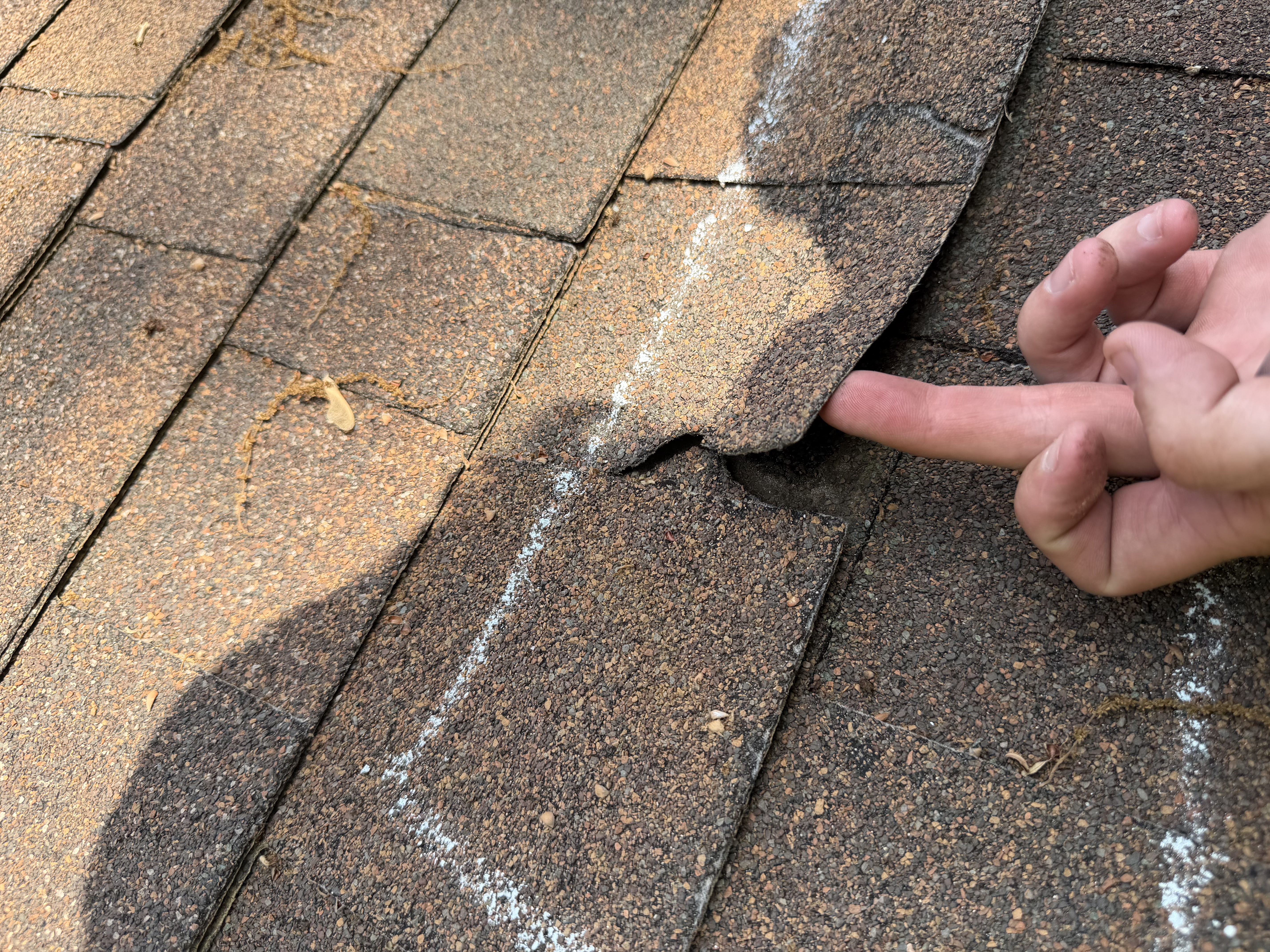
Insurance companies are there to cover sudden damage, not things that wear out over time. So if your roof was damaged by wind, hail, a fallen tree, or a storm, there’s a good chance your insurance may cover some or all of the replacement.
But if your roof is just old and worn out, insurance usually won’t pay for that. That falls under normal maintenance and is considered the homeowner’s responsibility.
Where this gets tricky is that sometimes a roof can be older and get damaged in a storm — and that’s where a lot of insurance claims come from.
This Is Why Inspections Matter So Much
One of the biggest mistakes homeowners make is filing an insurance claim before they actually know if there’s storm damage.
What should happen first is a roof inspection where the contractor takes photos, checks for wind or hail damage, looks at the age and condition of the roof, and helps you figure out whether filing a claim even makes sense.
Because here’s something most people don’t know:
If you file a claim and there’s no storm damage, the claim can still show up on your insurance record even if it gets denied.
That’s why the first step should almost always be an inspection and documentation.
(This would be a good place later to link to your blog about whether a contractor should help with an insurance claim.)
Maryland Is a Matching State (This Is Important)
Maryland has what’s called matching laws, and this can make a big difference in roof claims.
Let’s say only one side of your roof is damaged, but your shingles are old and discontinued and a repair won’t match the rest of the roof. In many cases, the insurance company may have to replace a larger section — sometimes even the entire roof — so everything matches.
A lot of homeowners don’t realize this, but it can be a major factor in whether a claim ends up being a repair or a full replacement.
Code Upgrades — The Hidden Part of Roof Replacements
Another thing that comes up a lot during insurance claims is building code upgrades.
Many roofs that were installed 15–25 years ago don’t meet current building code. When you replace a roof today, it has to be brought up to current code, which can include things like:
- Ice and water shield
- Drip edge
- Proper ventilation
- New flashing
- Starter shingles
- Ridge vent
- Decking thickness requirements
- Updated nail patterns for wind ratings
Some insurance policies cover these upgrades under something called Ordinance & Law coverage, and some don’t. This is something your contractor should help you review when looking at the insurance paperwork.
The Insurance Claim Process (And Where Most Claims Go Wrong)
Here’s the part most homeowners never really get explained clearly — the order of steps and when you should choose a contractor.
A typical claim usually goes like this:
- You think you might have damage
- Contractor inspects and documents the roof
- You file a claim
- Insurance adjuster comes out to inspect
- Insurance writes their estimate
- Roof gets replaced
- Insurance releases final payment
But here’s the part that many people don’t realize:
The adjuster meeting is one of the most important parts of the entire claim.
This is where the insurance company decides whether the roof gets repaired or replaced, and what they’re going to pay for.
If your contractor is there at that meeting, they can:
- Show the adjuster the damage
- Provide photos and documentation
- Explain why a repair may not be possible
- Make sure code items are included
- Make sure measurements and scope are correct
If no contractor is there, sometimes the adjuster may only write for a repair when the roof actually qualifies for replacement.
When Do You Sign a Contract?
This is another question homeowners ask a lot.
If you want a contractor to meet with the adjuster and help with the claim process, the contractor usually needs authorization to discuss the claim on your behalf, which typically happens through a contingency agreement.
This usually means:
- The contractor helps with the insurance process
- The homeowner agrees to use that contractor if the claim is approved
- The agreement is contingent on insurance approval
- You are not paying anything upfront for the roof itself
This allows the contractor to talk to the adjuster, review the insurance estimate, and submit supplements if things are missing.
What If Your Claim Gets Denied?
If your claim gets denied, or the insurance company only approves a repair and you believe the roof actually needs replacement, this is sometimes when a Public Adjuster may get involved to review the claim and represent the homeowner.
(This will link to your Public Adjuster blog later.)
So… Will Insurance Pay for Your Roof?
If the damage was caused by wind, hail, or a storm — there’s a decent chance insurance may pay for part or all of the replacement.
If the roof is just old and worn out — insurance probably won’t cover it.
The only way to really know is to have the roof inspected and documented so you can make an informed decision before filing a claim.
Final Thoughts
Most homeowners in Anne Arundel County — especially in areas like Pasadena, Annapolis, Severna Park, Glen Burnie, Arnold, and Crofton — will deal with roof issues at some point due to wind and storms.
The key is understanding how the insurance process works before you file a claim, not after. A little bit of guidance early in the process can make a big difference in how the claim turns out.
Need Help Figuring Out If You Have Storm Damage?
If you’re not sure whether your roof has storm damage or is just getting old, the first step is a roof inspection and documentation so you can understand your options and decide whether filing a claim makes sense.
Browning Pro-Built provides roof inspections throughout Anne Arundel County and the surrounding areas and can help walk you through what we’re seeing and what your next step should be.
About the Author Zachary Browning is the co-owner of Browning Pro-Built, a roofing contractor serving Anne Arundel County, Maryland. Browning Pro-Built specializes in roof replacements, storm damage inspections, and insurance claim assistance. With experience working directly with homeowners and insurance adjusters, Browning Pro-Built helps ensure roofs are replaced correctly, up to code, and according to manufacturer specifications.
Related Articles
- Will Insurance Pay for My Roof Replacement in Maryland
- Should a Roofing Contractor Help Facilitate an Insurance Claim
- When Should a Public Adjuster Get Involved in an Insurance Claim
- How Much Does a New Roof Cost in Maryland